This article delves into the transformation and evolution of electric automobiles. Once a burgeoning concept, electric cars are becoming an integral part of the global automotive landscape, driven by innovation and environmental considerations. This piece explores the catalysts of this shift and examines the implications for future mobility.
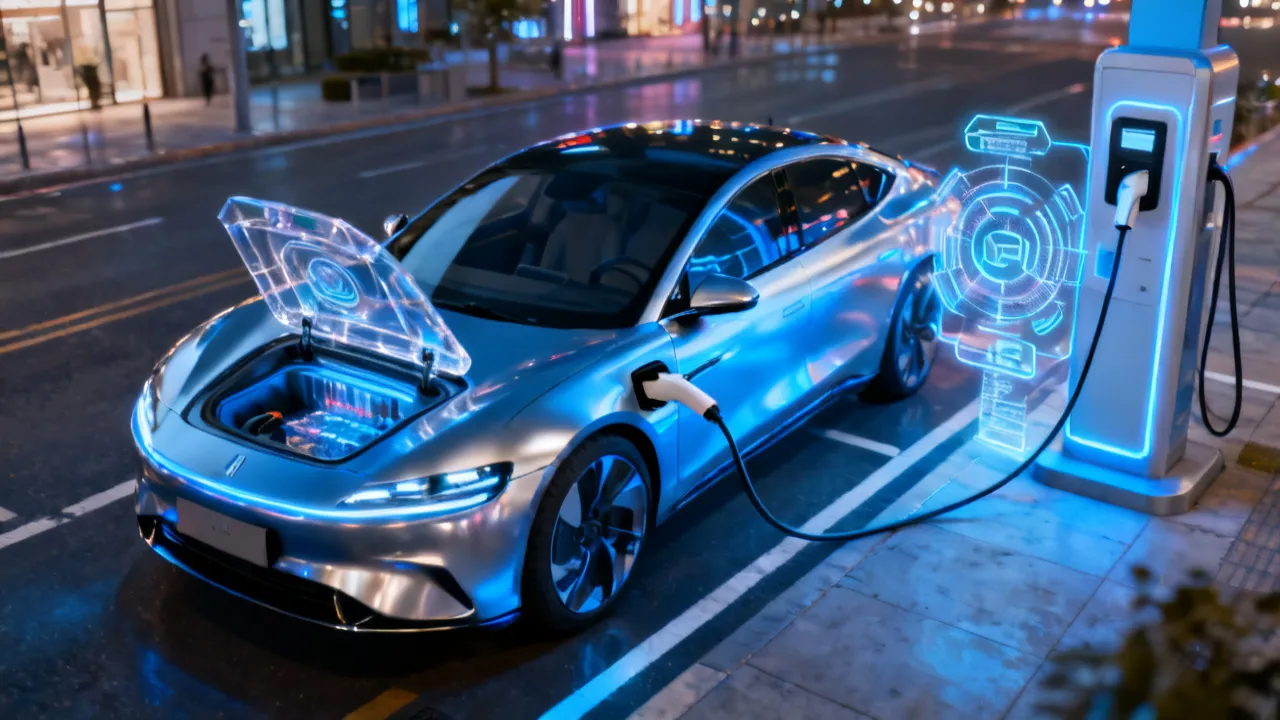
The advent of electric automobiles represents a significant shift in the automotive industry, marked by both technological innovation and environmental consciousness. Today, electric vehicles (EVs) are no longer niche products but are increasingly embraced as mainstream alternatives to traditional internal combustion engines. Consumers and manufacturers alike are adapting to a landscape where electric vehicles provide not just environmental benefits but also modern technological advantages and improved driving experiences.
Several factors have contributed to the rapid growth of electric automobiles. Primary among them is the global push towards sustainability, prompted by concerns about climate change and the harmful emissions produced by conventional vehicles. In response, governments worldwide have implemented stringent regulations and provided incentives to promote the adoption of EVs. Alongside regulatory measures, consumer sentiment is shifting, with younger generations placing a premium on environmental responsibility, thus accelerating the demand for electric vehicles. Additionally, advancements in battery technology have made it possible to enhance the range and affordability of electric cars, making them more appealing to consumers.
Government Initiatives: The role of government initiatives cannot be overstated. Many countries have set ambitious targets for reducing greenhouse gas emissions, aiming for net-zero emissions by mid-century. For instance, many European countries are planning to ban the sale of new petrol and diesel cars by 2030 or 2035, paving the way for electric vehicles. Financial incentives such as tax credits, rebates, and grants are frequently offered to consumers who purchase EVs, reducing the initial purchase barrier that might deter potential buyers.
Public Awareness and Culture Change: The growing awareness around climate change and pollution has also fostered a culture that embraces sustainability, thus endorsing electric vehicles. Campaigns and movements aimed at advocating for cleaner air and reduced fossil fuel dependency are encouraging consumers to live greener lifestyles, where electric vehicles fit seamlessly into the picture.
The heart of any electric automobile is its battery. The development of lithium-ion batteries has been a game-changer, offering higher energy density, reduced weight, and longer lifespans. This technological breakthrough has dramatically improved the viability of EVs, enabling longer driving ranges on a single charge. However, the field of battery technology is not static and continues to evolve. For instance, researchers are investigating solid-state batteries, which promise to further enhance safety, charge times, and energy capacity, potentially surpassing the performance of current lithium-ion systems.
Current Innovations: In addition to solid-state technology, lithium-sulfur and lithium-iron-phosphate batteries are also being explored for their potential. These alternatives offer higher energy densities at lower costs and with less environmental impact. The competitive landscape of battery production is set to become even more dynamic with these innovations, potentially lowering costs significantly for end-users. Moreover, some companies are exploring alternative materials to reduce reliance on cobalt and other rare elements that raise ethical and sustainability concerns in the supply chain.
Recycling and Sustainability: The future of EV batteries also hinges on effective recycling programs. As the number of electric vehicles on the road increases, so does the necessity for sustainable battery disposal and recycling methods. The recycling process not only reduces waste but allows valuable materials to be reused in new batteries, contributing to a circular economy model. Various companies are currently experimenting with battery recycling technologies to enhance recovery rates, emphasizing the importance of sustainability throughout the life cycle of the battery.
A crucial aspect of the electric automobile ecosystem is the corresponding infrastructure. The establishment of widespread charging networks is essential to support the growing number of electric vehicles. Public and private sectors are investing heavily to expand charging station networks, ensuring that EV owners have convenient access to charging facilities. This development is central to alleviating “range anxiety,” the fear that a driver will run out of battery before reaching a charging station.
Types of Charging Stations: Charging stations can be categorized into three primary levels:
The Role of Smart Technology: Increasingly, charging stations are being integrated with smart technology designed to optimize charging times and costs. For example, some stations adjust their energy draws based on the demand on the grid or even use renewable energy sources. As smart grids become more prevalent, the interaction between charging stations, EVs, and the electrical grid will become ever more sophisticated, potentially allowing for vehicle-to-grid technologies that will enhance energy management and support grid stability.
| Brand | Model | Range (Miles) | Price Range (USD) |
|---|---|---|---|
| Tesla | Model 3 | 358 | 39,990 |
| Tesla | Model S | 405 | 94,990 |
| Tesla | Model X | 348 | 99,990 |
| Tesla | Model Y | 326 | 53,990 |
| Nissan | Leaf | 226 | 27,400 |
| Chevrolet | Bolt EV | 259 | 31,000 |
| Ford | Mustang Mach-E | 300 | 43,895 |
| Volkswagen | ID.4 | 250 | 39,995 |
This table provides a snapshot of some of the leading electric automobiles available today, highlighting their range lengths and price points, crucial factors to consider for consumers in their car-buying decisions. The competitive landscape is also shifting, with more automakers entering the EV market, bringing new designs and technologies as they seek to capture consumer interest and adapt to changing market demands.
The penetration of electric automobiles varies significantly across different regions. Leading countries have not only implemented policy measures but also demonstrated consumer readiness for adopting new technologies. Europe and the United States are at the forefront of this movement, largely thanks to supportive government policies and a growing charging network. However, countries in Asia, particularly China, are catching up rapidly with massive investments in both production and research.
China's Leadership: China is currently the largest market for electric vehicles, driven by government subsidies, substantial investments in public transport electrification, and a push to reduce urban air pollution. Chinese automakers such as BYD, NIO, and Xpeng are emerging as significant players on the global stage, not only in manufacturing but also in battery technology and electric vehicle infrastructure. China’s strategy includes building elaborate charging networks and fostering a competitive EV market with a variety of increasingly affordable models.
Europe's Progressive Policies: In Europe, Norway leads the charge with the highest percentage of electric vehicle sales worldwide, spurred by government incentives, tax exemptions, and an extensive charging infrastructure. Other European nations are following suit, intensifying their support for electric mobility through ambitious emissions targets. The European Union is pushing for a robust EV market through both regulation and incentives, aiming for a significant reduction in carbon footprints across the member states.
U.S. Market Dynamics: In the United States, the EV market is also expanding, with states like California leading the way. The shift towards electric mobility is supported by a patchwork of federal and state incentives, as well as growing consumer awareness and demand for cleaner alternatives. Major automotive corporations are responding with substantial investments in electric vehicle technologies and infrastructure to remain competitive in this fast-evolving landscape.
Despite the promising trajectory, there are challenges that the electric automobile industry must address. These include the environmental impact of battery production and disposal, the current limits of battery technology in terms of energy storage and charging speed, and the variability in regulatory environments across international borders.
Environmental Concerns: The life cycle of electric vehicles poses environmental challenges, especially regarding battery production. Lithium mining, for instance, can have significant ecological impacts, necessitating a careful balance between production capabilities and environmental responsibilities. Stakeholders in the EV sector are increasingly focusing on sustainable sourcing practices and investing in technology aimed at minimizing mining impacts.
Infrastructure Gaps: While charging infrastructure is expanding, there remain notable gaps, especially in rural areas. Ensuring equitable access to charging stations is critical in promoting widespread adoption of electric vehicles. Investment in infrastructure must therefore be balanced across urban and rural landscapes to avoid a situation where some regions benefit significantly more than others.
Technological Limitations: Current battery technology limits charging times and ranges. While improvements are in the works, the quest for ultra-fast charging and longer ranges continues to challenge manufacturers. Consumers are looking for convenience, and until battery technology can support rapid recharge times comparable to conventional fuel refills, adoption rates may not reach their full potential.
The future of electric automobiles looks promising, with expectations for continued growth in the EV market. Innovations such as autonomous driving, smart vehicle ecosystems, and integrative energy solutions are on the horizon, further pushing the boundaries of what's possible in electric mobility. Autonomous electric vehicles, in particular, hold exciting potential for transportation efficiency and safety, paving the way for shared mobility solutions.
Integration with Renewable Energy: Looking forward, the integration of electric vehicles with renewable energy sources is paramount. As more consumers and manufacturers aim for carbon-neutral operations, electric vehicles will likely play a crucial role in energy storage and renewable energy distribution. The concept of vehicle-to-grid (V2G) technology could revolutionize how cars participate in energy markets by allowing EVs to share stored energy back into the grid during peak demand times, contributing to grid stability and efficiency.
Government Policies and Global Leadership: Structural changes in policy will play a pivotal role in how the future of electric vehicles unfolds. Countries that take bold steps towards supporting EV infrastructure and manufacturing capabilities will likely lead the charge in the global market. Policymakers will need to ensure long-term sustainability while fostering innovation to keep pace with evolving consumer preferences and technology advancements.
The electric automobile landscape continues to evolve, propelled by advancements in technology, changing consumer preferences, and supportive governmental policies. While challenges remain, the ongoing innovation in battery technology, infrastructure development, and environmental sustainability initiatives paints a promising picture for the future of electric vehicles. As societal values shift towards more sustainable practices, the role of electric automobiles will likely be central in shaping the transportation systems of tomorrow, leading us toward a more sustainable, efficient, and environmentally responsible world.
Striking the Perfect Balance: Navigating Premiums and Out-of-Pocket Expenses in Senior Insurance Plans

Explore the Tranquil Bliss of Idyllic Rural Retreats

How to Make Lasting Memories at Disneyland Attractions

Affordable Phones and Plans for Seniors

Affordable Full Mouth Dental Implants Near You

Unlock the Top Kept Secrets to Finding Your Ideal Dentist for Flawless Dental Implant Results!

Discovering Springdale Estates

The Guide to Car Trading

Affordable Cell Phones Without Plans

The Rise of Electric Automobiles
Electric automobiles represent a significant shift in the automotive industry, focusing on sustainability and innovation. These vehicles utilize electric propulsion systems, as opposed to traditional internal combustion engines, offering benefits such as reduced emissions and enhanced efficiency. As technology advances, electric automobiles are becoming increasingly appealing to consumers and are seen as a critical element in the global push towards greener transportation solutions.
The Rise of Electric Automobiles
Electric automobiles are becoming increasingly integral to the automotive industry, representing a shift towards more sustainable transportation solutions. These vehicles, powered by electric motors instead of internal combustion engines, offer numerous advantages such as reduced emissions and lower operating costs. This comprehensive guide explores the various aspects of electric automobiles, including their technology, market trends, and future outlook.

Understanding Electric Automobiles Today
Electric automobiles represent a transformative shift in the automotive industry, offering a sustainable alternative to traditional vehicles. With advances in battery technology and global commitments to reducing carbon emissions, electric cars are poised to dominate future transportation. This article explores key aspects of electric automobiles, including their technology, market trends, and consumer considerations.
The Rise of Electric Automobiles
Electric automobiles are revolutionizing the transportation industry, gaining traction for their environmental and economic benefits. As technology advances, electric vehicles (EVs) are becoming increasingly accessible and efficient, contributing to reduced carbon emissions and promoting sustainable energy usage. This article explores the current landscape, challenges, and future potential of electric automobiles.
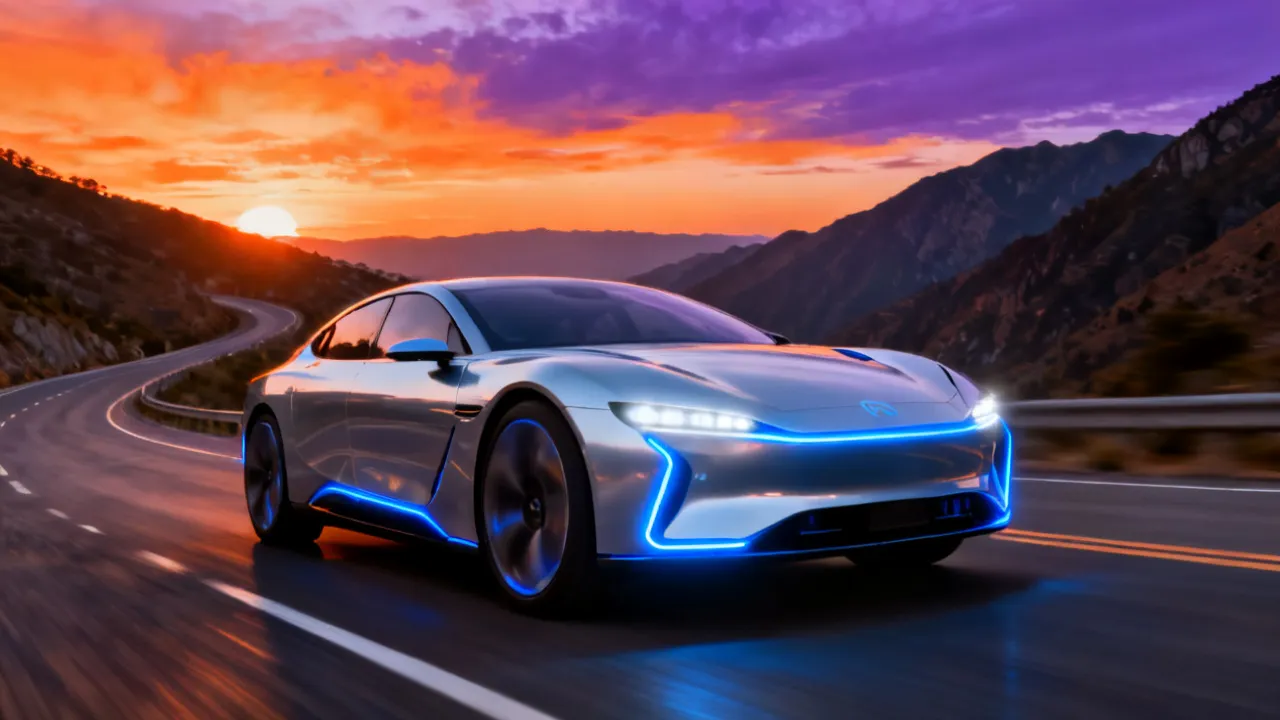
Revolutionizing Transport with Electric Automobiles
Electric automobiles are at the forefront of a transformative shift in transportation as they redefine efficiency and sustainability standards. Driven by the need to reduce emissions and embrace renewable energy, electric vehicles (EVs) have rapidly evolved, offering consumers an eco-friendly alternative to traditional gasoline-powered cars. This comprehensive guide explores the key features, benefits, and industry insights related to electric automobiles.
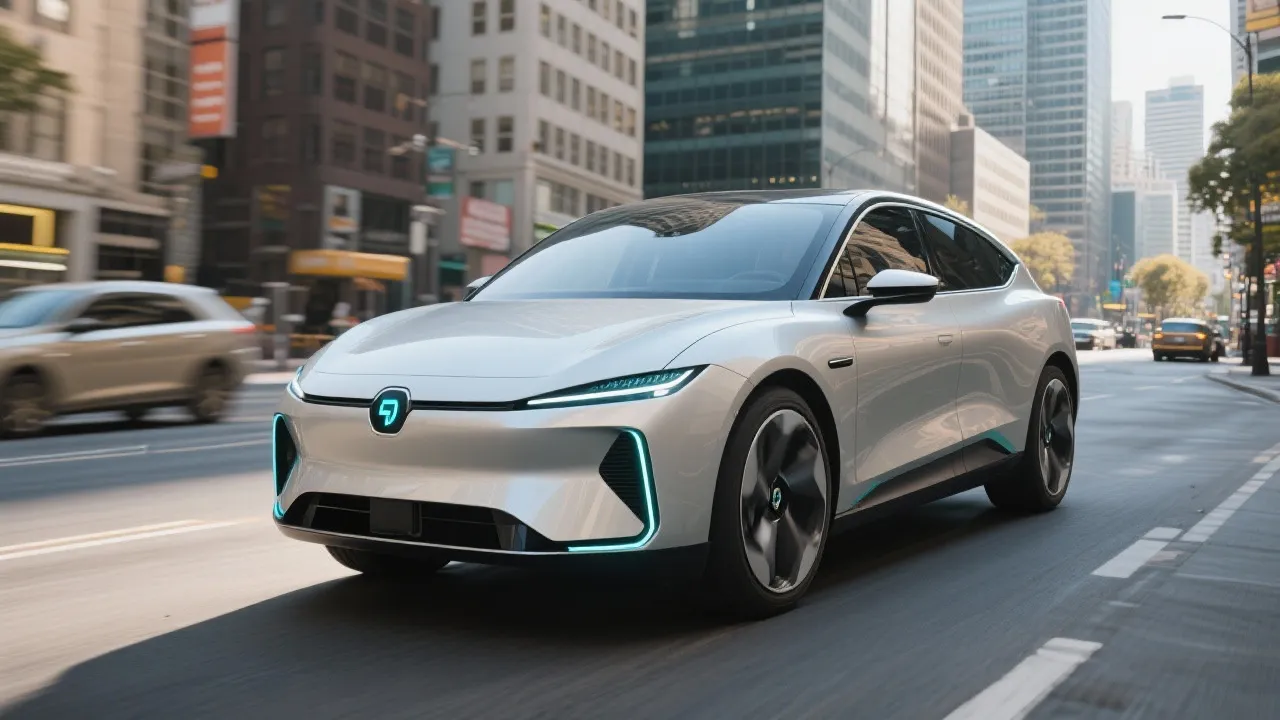
Navigating the Awd Phev Landscape
This guide explores the AWD PHEV market and its impact on modern transportation. Platform Hybrid Electric Vehicles (PHEVs) with All-Wheel Drive (AWD) are evolving rapidly and offer a sustainable alternative to traditional vehicles by combining electric and gas power for efficiency and adaptability. As demand rises, this article analyzes the technological innovations and adoption trends.
